


Raising children, particularly teenagers, involves finding a delicate balance between allowing them to make their own choices and guiding them with the wisdom of experience. Parents often face the dilemma of whether to impose their ideas or let their children explore the world freely. The question is: how far should this freedom go?
Teenagers are at a crucial stage in their lives where they begin to forge their own identities. Allowing them to make their own choices may seem liberating, but parents must also play a guiding role. Engaging in discussions, showing logical directions based on life experiences, is essential. This does not necessarily mean imposing ideas, but rather advising for their benefit.
Table of Contents
ToggleTechnology and Children

The issue of access to technology and the internet is equally crucial. Letting children access devices like iPhones and iPads without supervision can expose them to inappropriate content. Should parents monitor the sites visited and videos watched by their children, or consider them mature enough to make their own choices?
This question of surveillance goes beyond the simple use of devices. It touches on how parents protect their children while preparing them to navigate a complex digital world.
Read More: The importance of educating children in a technological world
The Influence of Religion: Heritage or Choice?
Religion is another area where parental influence is predominant. Many people follow the religion of their parents without having had the opportunity to choose for themselves. Is this religious transmission a source of satisfaction or disappointment?
Parents often instill their religious beliefs in their children from a young age. This can be seen as a way to provide a solid moral and ethical foundation. However, it is important to ask whether this imposition limits the children’s freedom of choice once they become adults.
Advertising and Skin Lightening Products: The Case of Burkina Faso
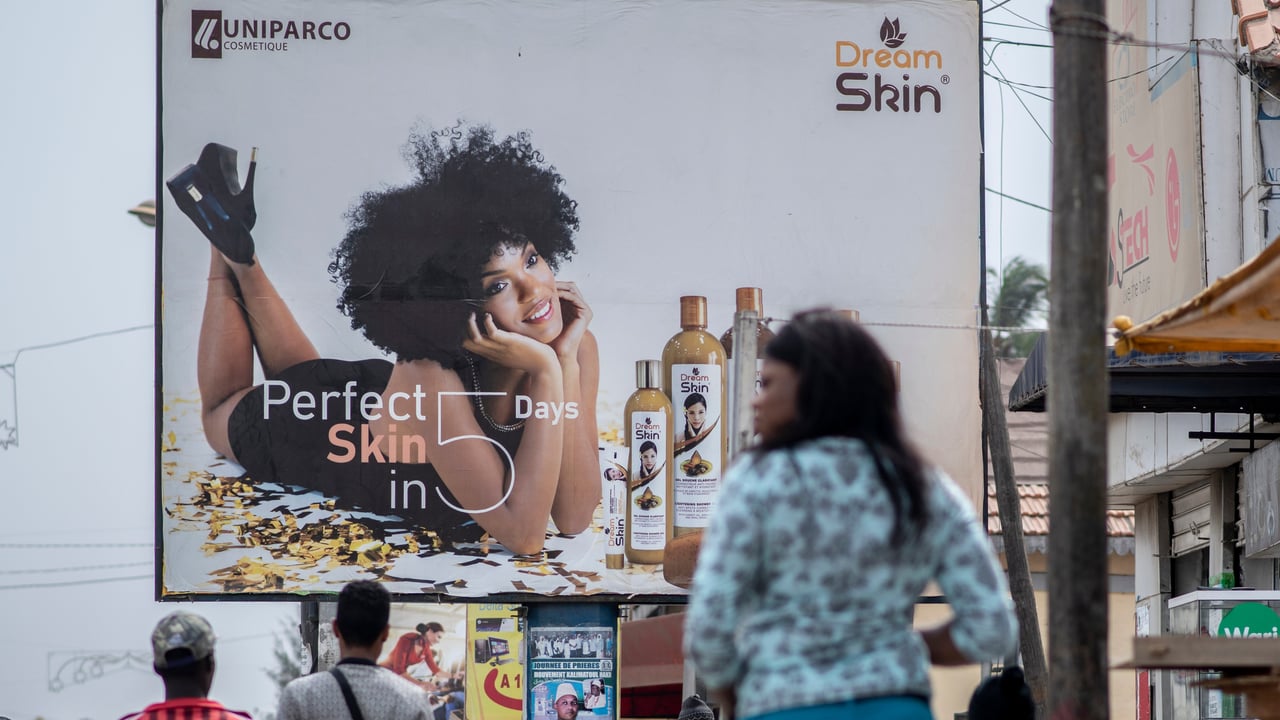
Burkina Faso recently took a radical step by banning advertisements for skin lightening products. This decision is driven by public health and societal well-being concerns. Skin lightening products, often seen as a way to conform to Western beauty ideals, can have serious health consequences.
Skin lightening is a common practice in many African countries, often linked to an inferiority complex and the perception of white skin’s superiority. This ban aims to combat this mentality and encourage the acceptance of natural beauty.
The Perception of Beauty: Between Natural and Artificial
Modern society is obsessed with beauty and physical appearance. The use of products and practices to alter appearance, such as skin lightening or hair straightening, is widespread. Yet, these practices can have harmful health effects, such as skin cancer and brain cell damage.
The inferiority complex drives many people to adopt beauty standards that do not reflect their true identity. This quest for social approval through appearance can be devastating, both physically and psychologically.
Government Regulations: Freedom or Dictatorship?
The ban on advertising for skin lightening products in Burkina Faso raises questions about the government’s role in regulating societal behaviors. Is this a form of dictatorship or an intelligent way to guide the population towards healthier choices?
Rwanda, for instance, goes even further by completely banning the sale of these products. This approach aims to protect public health and promote the acceptance of natural beauty. It raises a fundamental question: how can one claim to love someone else if one does not love one’s own natural appearance?
Pornography Ban: Moral and Societal Control
Burkina Faso has also implemented restrictions on access to pornographic sites, citing moral and societal health as the main reason. This measure is controversial, as it can be seen as an intrusion into individuals’ private lives. However, it aims to protect moral values and limit exposure to potentially harmful content.
Guide or Freedom?
Education and societal regulation are areas where the balance between individual freedom and parental or governmental control is delicate. Whether in matters of religion, access to technology, beauty standards, or public morality, parents and governments must navigate carefully to protect and guide without oppressing. The question remains: how far should we go to guide our children and societies towards a better future?
Totally inspired by Zack Mwekassa’s video


