

The women of life: Pillars of stability and support in the relationship
Distinguishing between pleasure companions and life partners for a fulfilling relationship


In the complex landscape of human relationships, a fundamental aspect emerges: the distinction between women of life and pleasure companions. This subtle yet crucial nuance is often overlooked, yet it profoundly shapes the quality and longevity of romantic unions. Through an in-depth exploration of this distinction, we will uncover the unique characteristics of women of life and their essential role in building fulfilling and enduring relationships.
Unwavering Devotion of Women of Life
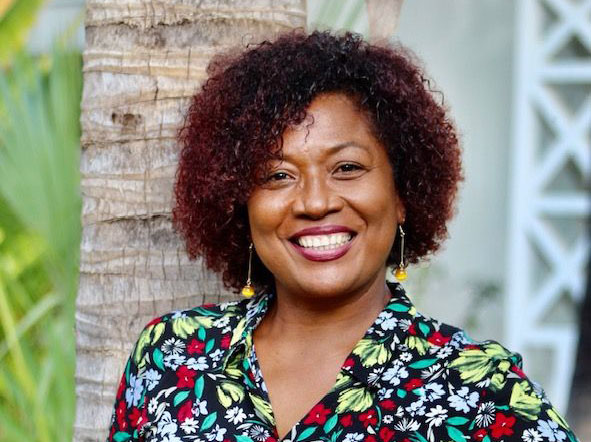
Women of life are not merely simple companions. They embody a level of devotion and unwavering support for their partners. Their commitment extends far beyond physical appearances or superficial attraction. They are the foremost supporters, confidantes, and steadfast allies in the challenges of everyday life.
The Emotional and Mental Stability They Bring
An essential characteristic of women of life is their ability to provide emotional and mental stability to their partners. Unlike pleasure companions, who may be volatile and unpredictable, women of life remain steadfast and consistent in their commitment. They provide a valuable anchor in times of crisis and uncertainty, offering a safe and secure refuge.
Read More: Differences Between a Girl and a Woman: Deciphering Behaviors and Attitudes
Calm Conflict Resolution
Women of life approach conflicts and challenges with calm and maturity. Their ability to maintain serenity in tense situations greatly contributes to peaceful conflict resolution. They promote open and constructive dialogue, prioritizing mutual understanding and compromise over futile confrontation.
Recognition of the Importance of Deep Commitment
For women of life, relationships are not merely about fleeting pleasures or passing distractions. They understand the sacred and profoundly meaningful nature of relational commitment. Their attachment goes beyond social conventions or personal benefits. It is based on genuine emotional and spiritual connection, enriched by mutual trust, respect, and loyalty.
Read More: Reflections on marriage: Questioning, social pressure and informed choice
Balancing Independence and Support
Although often independent intellectually, financially, or professionally, women of life recognize the vital importance of emotional support from their partners. They value the balance between autonomy and interdependence, creating a nurturing and fulfilling relational environment for both partners.
Marriage as a Deliberate Choice Rather Than Social Conformity
Unlike those who marry out of social conformity or external pressure, couples founded on a relationship with a woman of life are the result of a deliberate and conscious decision. Marriage is seen as a natural and significant step in a shared life journey, based on love, respect, and mutual understanding.
Conclusion
In conclusion, women of life are much more than romantic partners. They are the solid foundations upon which fulfilling and enduring relationships are built. Their unwavering devotion, emotional stability, mature conflict resolution skills, deep understanding of commitment, and balance between independence and support make them invaluable and irreplaceable partners. By recognizing and valuing these qualities, couples can build strong, nurturing, and deeply satisfying relationships based on genuine human connection and authentic affection.


