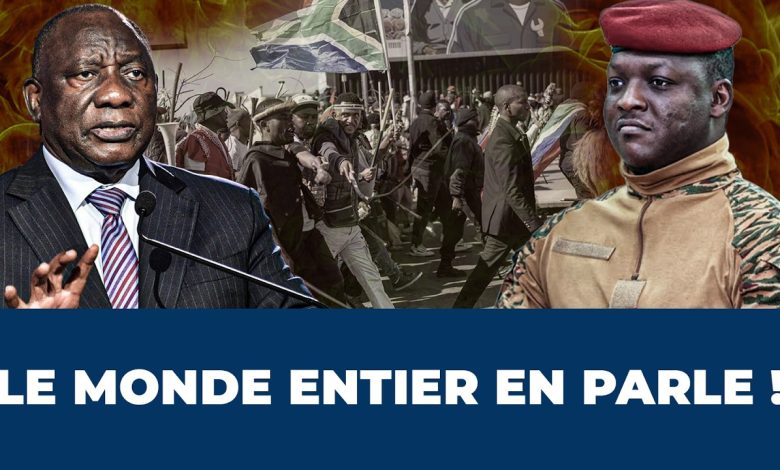
The video addresses concerns raised by threats attributed to South African groups against foreign nationals living in South Africa. According to the reported statements, a deadline set for June 30 officially targeted foreign nationals in an irregular situation. But several sequences and testimonies mentioned in the video raise a central question: do the checks and pressure concern only undocumented people, or could they more broadly affect African foreigners, including lawful residents?
The issue is addressed from two angles: the condemnation of violence, xenophobia, and any collective responsibility attributed to foreigners; and the question of consular protection and the ability of African states to assist their nationals when they encounter difficulties abroad.
A deadline presented as an ultimatum for undocumented foreigners
According to the transcript, some South Africans reportedly asked foreigners in an irregular situation to leave the country before June 30. The video states that this position was presented as targeting undocumented migrants, in a context where some actors link immigration with crime, drug trafficking, and difficulties in administrative traceability.
The video’s author nevertheless points out that nationality cannot establish guilt. He stresses that a crime must be examined individually and that criminal liability cannot be extended to an entire foreign community.
This distinction is essential in the debate described: the enforcement of immigration rules, when carried out by the competent authorities, must not turn into the stigmatization of nationals from a country or continent. The video is specifically concerned about the possible shift from discourse on administrative irregularity to hostile behaviour towards all African foreigners.
Fears of targeting beyond immigration status
The transcript reports that many Africans live in South Africa, including nationals of Ghana, Malawi, the Democratic Republic of the Congo, Nigeria, and other countries. It refers to strong concern among some people who fear being targeted regardless of their administrative status.
A clip cited in the video shows the case of a Nigerian man who says he has lived in South Africa for more than twenty years and has documents. He is questioned about his car-washing business and is told that his activity would not be permitted under the conditions described by the people addressing him.
For the author, this example raises a question: if a person who says they have been legally established for a long time can be ordered to close their business or leave, where is the line between enforcing economic or immigration rules and rejecting foreigners? The video does not settle this question legally, but it highlights the sense of insecurity created by this kind of scene.
The risk of conflating crime with foreign nationality
The video reports accusations that some foreigners are responsible for offences or trafficking. It acknowledges that foreign nationals, like nationals of the country, can commit offences. But it insists that no national group can be reduced to the actions of certain individuals.
From this perspective, the fight against crime cannot justify assaults, threats, or differential treatment based on origin. The transcript also mentions scenes in which foreigners were reportedly treated differently according to their skin colour or presumed nationality. These elements are presented as examples fuelling accusations of xenophobia and discrimination.
The question of assistance provided to the nationals concerned
A large part of the video focuses on the response expected from African governments. The author believes that states have a responsibility to protect and assist their citizens abroad, particularly when they are threatened, without resources, or stranded outside an embassy.
Ghana is cited as an example of a country that, according to the video, arranged for some of its nationals to return by plane. The author also refers to the intervention of a Ghanaian minister after a national of the country was reportedly threatened, as well as discussions with the South African ambassador to Ghana.
Conversely, the video laments the situation of Malawian and Nigerian nationals who, according to it, did not receive sufficient assistance from their diplomatic representations. It specifically claims that Malawians were waiting for transportation to return to their country and that South Africans reportedly helped fund buses.
These claims are presented in the video as direct criticism of the embassies and authorities concerned. Above all, they illustrate a strong expectation: that a state should be able to organize emergency assistance, inform its nationals, and, if necessary, facilitate their return under dignified conditions.
A reflection on the reasons for departures to South Africa
Beyond the immediate crisis, the author links the presence of many African migrants in South Africa to the difficulties faced in their countries of origin. He argues that some remain abroad because they do not see sufficient prospects at home, whether in terms of employment, security, or living conditions.
This interpretation does not justify hostile discourse towards foreigners. Rather, it raises a fundamental question: how can African countries improve their ability to offer prospects to their populations and meet their needs when they live outside the national territory?
The video therefore calls for the debate not to be limited to denouncing South Africa. It also invites African leaders to examine their responsibility for supporting their citizens, both within their territory and abroad.
Condemning violence without overlooking issues of dignity and protection
The message developed in the video rests on a difficult balance. On the one hand, xenophobic behaviour, violence, and the conflation of foreigners with wrongdoing are presented as unacceptable. On the other hand, the author argues that countries of origin should not abandon their nationals when a situation becomes dangerous.
The tensions described show that migration issues cannot be addressed solely through slogans. They concern respect for the law, people’s safety, the fight against discrimination, consular action, and the economic conditions that drive some citizens to seek opportunities outside their country.
The video states that it will follow developments surrounding the deadline mentioned. On its own, it does not make it possible to establish what would actually happen on that date. It does, however, shed light on the fears expressed by African foreigners living in South Africa and the expectations voiced towards the authorities of their countries.
FAQ
Did the threats mentioned target all foreigners in South Africa?
According to the video, the reported official discourse targeted foreigners in an irregular situation. However, examples cited in the transcript raise fears that foreigners with documents could also face pressure or discrimination.
Why is the response of embassies at the heart of the video?
The author believes that diplomatic representations must assist nationals who are threatened or in difficulty. He compares the response attributed to Ghana with what he presents as a lack or insufficiency of assistance for other nationalities.
Does the video justify violence against migrants?
No. It criticizes violence, xenophobia, and the idea of associating all foreigners with crime. It also calls for distinguishing individual responsibility from generalizations targeting an entire community.
Video source: THE BIGGEST CRISES OF THE MOMENT: SOUTH AFRICA, BURKINA FASO AND DIPLOMATIC TENSIONS