Kylian Mbappé and China: What Is Known About the Reactions to His Comments on Mao Zedong

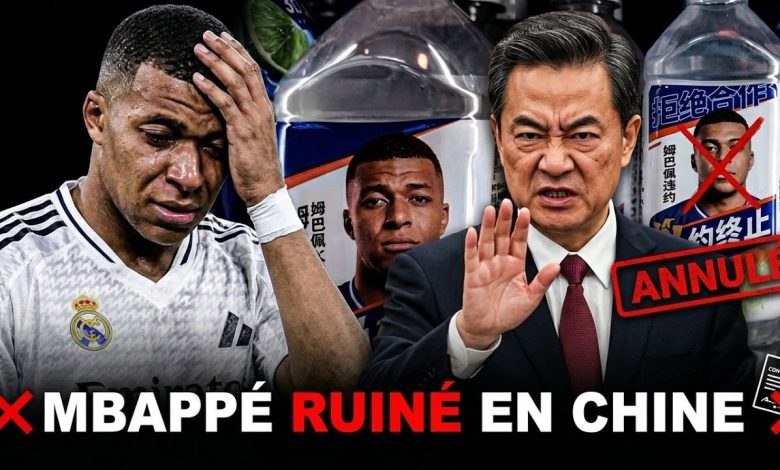
Comments attributed to Kylian Mbappé about a humorous image edit associated with Mao Zedong reportedly triggered a strong reaction in China. The matter is said to have led several Chinese brands to remove advertising content featuring him, while the player reportedly issued an apology in French, English and Mandarin.
Beyond the French forward’s individual case, this episode highlights the importance of historical references and national sensitivities when a sporting figure has global visibility and commercial interests across several markets.
The comments behind the controversy
The controversy reportedly arose from a segment produced alongside the The Bridge podcast. Kylian Mbappé was reportedly asked about memes involving him. When shown an image depicting his face superimposed on Mao Zedong’s body, he allegedly said that it was, in his words, a “Chinese dictator” and that he used the content with his friends online.
This description of Mao Zedong was reportedly seen as offensive by part of the Chinese public. The reported information presents Mao Zedong as a highly respected historical figure in China. In that context, the humorous or informal nature of the comment reportedly did not prevent it from being interpreted as an affront to a central figure in the country’s history.
The reactions mentioned are a reminder that the same political or historical reference is not interpreted in the same way everywhere. In many Western settings, image edits, parodies and criticism of political leaders are commonplace. That does not mean such practices are understood identically in every country, particularly when they concern figures associated with sovereignty or nation-building.
Commercial consequences reported in China
According to the available information, the matter reportedly had swift effects on the commercial use of Kylian Mbappé’s image in China. Chinese state broadcaster CCTV reportedly stopped airing certain advertisements featuring him.
Several companies are also cited among the brands that reportedly distanced themselves from the player in the Chinese market: Niuniu Beverage, described as an energy drink brand, Mengniu Dairy, and Milk Ground, described as a major cheese brand. Other potential partners reportedly urgently removed posters using his image in order to distance themselves from the controversy.
The precise sums involved in contracts, sales and economic impact have not been publicly established in the reported information. Nevertheless, China is said to represent an important market for partnerships, advertising campaigns and football competitions broadcast in the country.
La Liga is notably described as benefiting from a large Chinese audience and revenue from broadcasting rights and sponsors. The Spanish league reportedly stressed that the comments attributed to Mbappé reflected only his personal views, rather than those of the organisation.
Real Madrid and partners facing association risk
The controversy reportedly does not concern Kylian Mbappé alone. When an athlete represents a campaign, a brand or a club, their image is closely tied to that of their partners. The consequences of a statement can therefore affect, at least temporarily, those associated with their fame.
Real Madrid, the club Kylian Mbappé joined in 2024 according to the information provided, is presented as having significant interests in Asia. A complaint or letter from the Chinese Football Association was reportedly sent to the club, requesting intervention. However, the reported information does not make it possible to determine precisely what action, if any, was taken in response.
This type of situation highlights a shared reputational risk. Companies that invest in a celebrity do not fully control their public statements, but they can be directly exposed to public reactions when those statements spark controversy.
The apology attributed to Kylian Mbappé
After the segment was released, Kylian Mbappé reportedly published an apology. He is said to have acknowledged that his comments had been poorly worded and had hurt people in China. He also reportedly expressed his deep respect for the Chinese people and their history.
The message was reportedly published in French, English and Mandarin. This linguistic choice was clearly intended to address the audiences concerned directly, beyond his usual audience.
The reported information indicates that Chinese authorities reportedly accepted the apology. However, that acceptance alone does not make it possible to determine whether partnerships that were ended or suspended will be maintained, restored or permanently abandoned. Any commercial consequences therefore remain uncertain.
Why Mao Zedong remains a sensitive reference in China
Understanding this reaction requires considering Mao Zedong’s place in Chinese history as presented in the available information. He is associated with the country’s unification, the end of foreign interference and internal conflicts, as well as the construction of a sovereign Chinese state.
His role is also linked to social changes. The reported information notably mentions the banning of forced marriages and foot binding, a practice involving the deformation of young girls’ feet. Mao Zedong is also associated with the transformation of a poor agricultural country into an industrial power with factories and infrastructure.
This presentation does not deny that his legacy may be assessed very differently depending on the country and historical narrative. It does, however, explain why a casual reference to him can be interpreted in China as far more than a simple internet joke.
An affair that highlights the importance of cultural context
The case involving Kylian Mbappé illustrates the complexity of international communication. A global figure potentially addresses audiences with distinct historical memories, social codes and sensitivities. A phrase considered ordinary, imprecise or humorous in one context can become offensive in another.
For athletes, artists and companies operating internationally, the issue is not simply about managing crisis communications. It also involves understanding the key references of the countries in which they develop an audience, partnerships or commercial activity.
FAQ
What comments are Kylian Mbappé criticised for in China?
He is accused of describing Mao Zedong as a “Chinese dictator” while commenting on a humorous image edit in which his face appeared on the body of the Chinese historical leader.
Did Kylian Mbappé apologise?
According to the reported information, he published a message acknowledging that his comments had hurt people in China and expressing his respect for the Chinese people and their history.
Were Kylian Mbappé’s contracts in China permanently cancelled?
Brands reportedly removed content or ended their association with the player in China. However, the available information does not make it possible to confirm the final outcome of all his contracts and partnerships.