Senegal: Three TikTok Influencers Convicted After Posts Targeting Bassirou Diomaye Faye

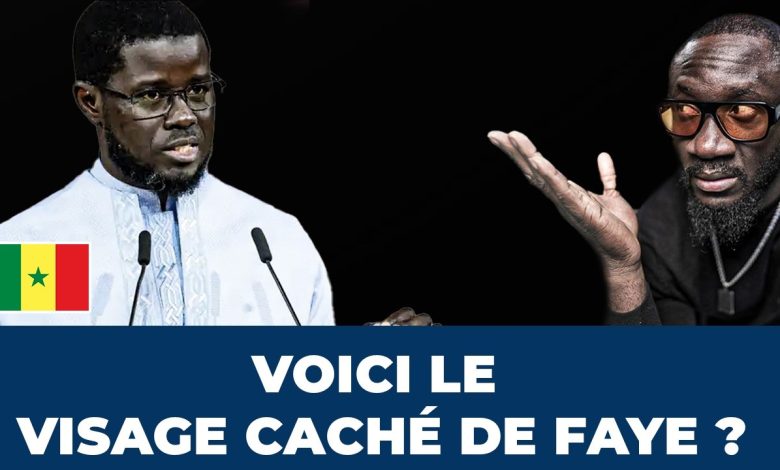
Three TikTok influencers have been convicted in Senegal after publishing content deemed insulting to the President of the Republic, Bassirou Diomaye Faye. The case, involving creators seen as close to Ousmane Sonko, has brought the issue of insulting the head of state and the limits of freedom of expression on social media back into focus.
The convictions are based on a provision already contained in Senegalese law: Article 254 of the Criminal Code. It concerns public insults against the President of the Republic, whether committed through speech, writing, images, or any other means of public dissemination.
Three content creators convicted
Those convicted include Mandumbe Diop, known as Laminou Darou on TikTok. He received a three-month prison sentence without suspension. His account is said to have around 500,000 followers, and his videos can reach tens of thousands of views.
Two other influencers, Mangé Dao and Mustapha Indi, were also convicted. Available information indicates that each received two-month prison sentences without suspension and a fine of 500,000 CFA francs, or around $800 according to the estimate provided.
The posts in question were deemed insulting to Bassirou Diomaye Faye. They were published amid high tensions between the president and some activists or influencers seen as supportive of Ousmane Sonko.
Article 254 of the Criminal Code at the heart of the case
Article 254 of Senegal’s Criminal Code criminalizes public insults against the President of the Republic. It covers spoken statements, written material, images, and other forms of public dissemination, which effectively includes posts on digital platforms.
The penalties mentioned can range from six months to two years in prison, or take the form of a fine. In this case, the sentences handed down are below that maximum, but the proceedings highlight the role of this provision in regulating speech published online.
For the judicial authorities, the charge therefore concerns the allegedly offensive nature of the content. For critics of the convictions, however, the use of this offence in connection with TikTok videos raises a broader question: how far can protection of the presidential office go without excessively restricting critical expression?
Content linked to the split between Faye and Sonko
The three convicted influencers are described as being linked to Fenal Digital and as supportive of Ousmane Sonko. Their posts formed part of the political debate that emerged from the split between Bassirou Diomaye Faye and his former ally.
According to the reported information, since Ousmane Sonko’s dismissal in May 2026, some Pastef activists and influencers close to him have accused President Faye of abandoning the original project. In particular, some accuse him of giving up a sovereignty-focused agenda that they associated with the project previously carried by the Faye-Sonko duo.
The term “betrayal” has been used amid this climate of political confrontation. It is a particularly serious accusation in public debate, as it concerns not merely a disagreement over methods or policy, but an alleged breach of loyalty to a shared project.
Supporters of Bassirou Diomaye Faye, for their part, may view these attacks as a campaign organized by figures who remain close to Ousmane Sonko. The legal case thus lies at the intersection of a political conflict, the growing influence of social media, and the legal protection granted to the head of state.
A debate recalling the Macky Sall years
This case echoes practices and controversies already seen under the presidency of Macky Sall. Between 2012 and 2025, and particularly during the political tensions of the 2021-2024 period, journalists, activists, commentators, and campaigners were arrested or prosecuted on charges including insulting the president, spreading false news, or contempt.
Human rights organizations reported numerous arrests of opposition figures, as well as restrictions on freedom of expression and assembly. The Committee to Protect Journalists, cited in the available information, also noted cases of journalists imprisoned in Senegal between 2023 and 2024.
Macky Sall denied the existence of political prisoners and maintained that prosecutions reflected the application of the law. His opponents, including figures from Pastef, instead denounced the repression of critical voices and imprisonments linked to opinions that had been expressed.
At the time, Bassirou Diomaye Faye and Ousmane Sonko advocated a democratic break, including stronger protection of freedoms. The current conviction of critical content creators has therefore fuelled debate over the continued use of legal tools against speech targeting those in power.
The issue of digital freedom of expression
The rise of TikTok has given significant visibility to people who are neither political leaders nor traditional journalists. A short video can quickly reach tens of thousands of people, or even more. This audience explains why content published by influencers can now have direct political impact.
However, the issue does not concern TikTok alone or only the three people convicted. It concerns the very existence of laws allowing the prosecution of insults against the president. As long as such an offence remains part of the law, it can be used by successive governments against posts deemed insulting or harmful to presidential dignity.
The debate therefore pits two imperatives against each other: protecting institutions and the head of state on the one hand, and allowing criticism of leaders, including forceful criticism, on the other. The facts of this case show that the boundary remains especially sensitive in Senegal, particularly when criticism is intertwined with rivalries between former political allies.
FAQ
Why were the TikTok influencers convicted in Senegal?
They were convicted over posts deemed insulting to President Bassirou Diomaye Faye. The prosecutions fall under Article 254 of Senegal’s Criminal Code concerning public insults against the President of the Republic.
What sentence did Laminou Darou receive?
Mandumbe Diop, known on TikTok as Laminou Darou, was sentenced to three months in prison without suspension.
What does Article 254 of Senegal’s Criminal Code provide for?
It penalizes public insults against the President of the Republic through speech, writing, images, or any other means of public dissemination. The penalties mentioned can range from six months to two years in prison or include a fine.