Senegal: Three TikTok Influencers Convicted Over Posts Targeting Bassirou Diomaye Faye

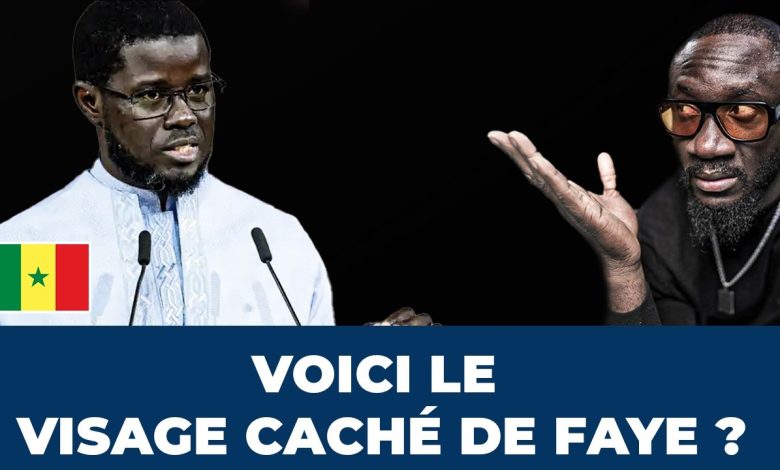
Three TikTok influencers have been convicted in Senegal after publishing content deemed insulting to the President of the Republic, Bassirou Diomaye Faye. The case raises questions about the place of online political criticism and the use of a provision in Senegal’s Penal Code that punishes public insults against the head of state.
Those named in the case include Mandoumbé Diop, known on social media as Lamino Darou. Described as the most followed of the three, with around 500,000 TikTok followers, he was sentenced to three months in prison. Two other content creators were also sentenced to two months in prison and fined 500,000 CFA francs each, or around $800 according to the available information.
Posts deemed insulting
The convictions concern videos and posts directed at Bassirou Diomaye Faye. The content was deemed by the courts to be offensive to the President of the Republic.
The case comes amid a political climate marked by tensions between former allies and supporters of the government. The three influencers are described as being close to activists who support Ousmane Sonko. Their messages reportedly focused in particular on the idea of “betrayal,” in the context of a reported political split between Bassirou Diomaye Faye and Ousmane Sonko.
For some critics of the president, developments at the highest level of the state are seen as a departure from the original project promoted alongside Pastef. Others, by contrast, see a political confrontation that has translated on social media into personal attacks and messages considered excessive.
Article 254 of the Penal Code at the heart of the case
The legal framework referred to in this case is Article 254 of Senegal’s Penal Code. This provision criminalises public insults against the President of the Republic, whether expressed through speech, writing, images or any other means of public dissemination.
According to the reported information, the penalties may range from six months to two years in prison, or take the form of a fine. Digital platforms and social networks may therefore fall within the scope of the means of dissemination covered by this rule.
The debate is not limited to the videos in question or their authors. It also concerns the existence and enforcement of laws that make it possible to prosecute statements directed at the head of state. Supporters of stronger protection for the presidential office may believe that public insults should be punished. Conversely, critics of such provisions argue that they may restrict freedom of expression, particularly when applied to political speech.
A provision already used under Macky Sall
Article 254 is not new to Senegal’s public debate. Between 2012 and 2025, particularly during periods of heightened political tensions between 2021 and 2024, journalists, activists, commentators, campaigners and opposition figures were arrested or prosecuted in cases involving, among other allegations, insults against the head of state, the dissemination of false news, or similar charges.
During that period, the Committee to Protect Journalists, known as the CPJ, noted several cases of journalists being imprisoned in Senegal, particularly between 2023 and 2024. Human Rights Watch also documented arrests of opposition figures, as well as restrictions related to freedom of expression and assembly.
Former president Macky Sall disputed the idea that political prisoners existed, maintaining that the arrests resulted from the application of the law. Human rights organisations and opposition figures, for their part, saw them as a crackdown on critical voices.
Promises of change confronted with the exercise of power
Before coming to power, Bassirou Diomaye Faye and Ousmane Sonko had condemned imprisonment linked to political opinions and called for a democratic break with the past. The defence of civil liberties and freedom of expression were among the themes associated with their opposition to the previous government.
The conviction of the three TikTok influencers therefore fuels a central political question: can a government advocate a break with the contested practices of the past while retaining the same legal tools to respond to current criticism?
The available information mainly shows that the controversy goes beyond those convicted. It concerns the continuity of the legal framework used against statements deemed offensive to the president. As long as Article 254 remains applicable, it can be invoked by different governments, regardless of their initial political commitments.
Social media, a new arena for political debate
TikTok has become a space where political statements spread quickly, sometimes reaching tens of thousands of people. Content creators can comment on current affairs, share activist positions or criticise public officials in direct language.
This visibility raises the question of influencers’ responsibility, but also that of the institutional response to published content. The issue is to distinguish political criticism, however forceful, from the insult or offence punished by law. In this case, Senegalese courts found the posts in question to be insulting.
The convictions are therefore a reminder that online posts can have legal consequences in Senegal when they target the President of the Republic. They also revive the debate over the balance between respect for institutions, protection of the presidential office and freedom of expression in the digital sphere.
FAQ
Why were the three TikTok influencers convicted in Senegal?
They were convicted following posts and videos deemed insulting to President Bassirou Diomaye Faye.
What law is referred to in this case?
The case refers to Article 254 of Senegal’s Penal Code, which punishes public insults against the President of the Republic through speech, writing, images or any other means of public dissemination.
What sentences were handed down?
Mandoumbé Diop, known as Lamino Darou, was sentenced to three months in prison. Two other influencers received two-month prison sentences and fines of 500,000 CFA francs each.