Haiti: UN Rules Out Any Recognition Following Letter Attributed to 400 Mawozo Leader

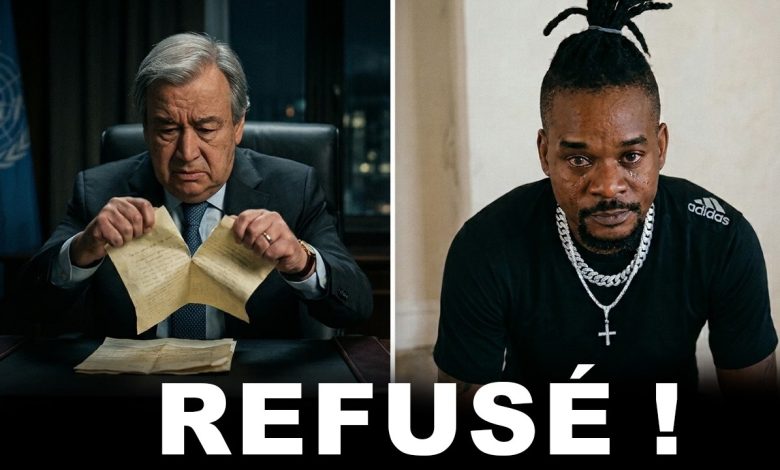
The United Nations has confirmed receiving a letter attributed to Wilson Joseph, also referred to as “L’Amos Sanjo” or “Lamour Sanju” in the available information. Described as the leader of the 400 Mawozo group in Haiti, he is said to have requested some form of dialogue to prevent further violence.
However, the UN’s stated position is unequivocal on one essential point: receiving the document does not constitute approval of its content, legal recognition of its sender, or a commitment by the organization to mediation or negotiations.
An administrative receipt, not the start of negotiations
The letter was addressed to Antonio Guterres, Secretary-General of the United Nations. According to the information provided, its author requested that a delegation be sent to discuss the situation and help bring an end to the chaos and clashes.
Stéphane Dujarric confirmed that the document had indeed been received. However, this confirmation should not be interpreted as a favorable response to the request made by its sender.
The UN therefore drew a distinction between two matters: on the one hand, the physical receipt of a letter; on the other, any potential political, legal or diplomatic recognition. None of these forms of recognition follows from receiving the letter.
What the United Nations’ position clarifies
The clarification has three main implications. First, the United Nations does not validate the content of the document. Second, it does not legally recognize Wilson Joseph as an interlocutor with official authority. Finally, it does not take on the role of mediator on the basis of this letter alone.
In other words, the existence of written contact does not mean that talks are under way. Nor does it mean that the UN agrees to facilitate a meeting between the letter’s author and other actors mentioned in his request.
This distinction is important in a context where any statement, exchange or institutional gesture can be interpreted as a political signal. The UN is indicating that it draws no conclusion favorable to the sender of the letter merely because it received it.
A request linked to the risk of violence
The letter attributed to Wilson Joseph reportedly asked the UN to facilitate dialogue with Nayib Bukele, President of El Salvador. The stated aim was to prevent a “bloodbath.”
The available information also refers to the presence or involvement of external actors in the fight against armed groups in Haiti. It describes a particularly unstable situation in which several gangs wield significant influence and are led by different leaders.
These groups sometimes portray themselves as defenders or liberators of the population against elites they accuse of controlling resources, transport, communications, food and supplies. However, this portrayal is contradicted in the reported information by allegations of killings, abuses and sexual violence attributed to gangs.
These allegations raise a central question: claiming a political or social objective is not enough to establish that actions carried out on the ground are protective in nature. According to the available information, the Haitian population continues to face a deep and lasting crisis.
Why the UN’s caution is decisive
In a security crisis, mediation usually requires a clearly defined framework, accepted interlocutors and the explicit willingness of the parties concerned. The UN’s statement does not make it possible to conclude that such a framework exists in the case of this letter.
Nor does it make it possible to state that negotiations with 400 Mawozo are under way, that a delegation will be sent or that a meeting will be arranged. The only reported certainty is that the letter was received and that the organization refuses to see this as recognition of its author.
The situation in Haiti remains marked by many questions regarding the funding, support and actual objectives of armed groups. The available information raises these questions without providing a verifiable answer regarding the identity of any possible sponsors or financiers.
FAQ
Has the UN agreed to negotiate with 400 Mawozo?
No. Receiving the letter does not mean that the UN has agreed to negotiations, mediation or dialogue with its sender.
Does the UN recognize Wilson Joseph as an official interlocutor?
No. The United Nations clarified that receiving the document does not constitute any legal recognition of Wilson Joseph.
What did the letter attributed to the leader of 400 Mawozo request?
According to the available information, it requested UN-facilitated dialogue, notably with Salvadoran President Nayib Bukele, in order to prevent an escalation of violence.