The inconsistencies of the energy transition: South Africa faces constant power cuts and imposed pressures


South Africa is currently going through a difficult period marked by constant power cuts. A highly respected country, South Africa has never experienced such a situation. Indeed, this country’s infrastructure is excellent, even better than London’s. They have nothing to envy from European countries. However, crime is perhaps the most striking negative aspect. Despite this, South Africa is a country that offers a lot, blending elements of New York, Sao Paulo, Madrid and, of course, Africa. Currently, the country faces frequent power cuts, lasting from around two hours to 6 hours. Many companies are suffering the consequences.
The causes of these untimely power cuts

The reason for these power cuts is linked to the energy transition aimed at reducing greenhouse gas emissions and combating global warming. This means switching from fossil fuel-based electricity generation to cleaner, more sustainable production. However, Western countries have imposed this transition without taking into account the realities and challenges facing South Africa. While the country mainly produces electricity from fossil fuels, owning coal-fired power plants to meet the needs of its population, it is now under pressure to stop this practice under the pretext that natural disasters are due to excessive gas emissions from increasing industrialization.
Read more: US accusations against South Africa put Germany on alert
The indignant reaction of a South African politician
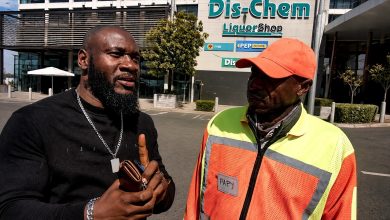
A South African politician reacts to this pressure on the country and highlights the inconsistency of the situation. South Africa produces a great deal of electricity from coal, creating jobs and powering many homes. However, South Africa is being asked to stop producing electricity from coal, while other countries such as Germany are opening new coal-fired power plants.
Yet industrialization in Western countries has been underpinned by the use of oil, coal and nuclear power. Now that African countries want to develop their own resources, this is seen as harmful to the environment. South Africa is under pressure to hand over its state-owned electricity companies to private Western investors.
What’s more, African countries in general are responsible for only 2% of greenhouse gas emissions, yet they are being asked to stop producing emissions, while other polluting countries are not under the same pressure.
A set-up to keep Africans underdeveloped

In fact, the West has decided to exclude from global sales certain African products which, in their view, produce a lot of gas. These products include cocoa from Côte d’Ivoire and Ghana, which will be excluded by 2030. Ethiopian coffee makes up the vast majority of Ethiopia’s resources. Corn production will also be excluded in many developing countries, given that in most cases corn production is one of the most important pillars of the economy.
In addition, Uganda has been denied the right to market its own oil and gas to foreign companies. Europe is suddenly opposed to these partnerships, having already benefited from the country’s natural resources. Suddenly, it’s illegal because it destroys flora and fauna. This is clearly a manipulation to keep Third World countries poor.
The West’s aim is to bring down the state-owned energy distribution companies, so that private backers from the West can buy them up; this at the very moment when South Africans are struggling to regain economic ground.
The injustice of pressure on South Africa
This pressure on South Africa and other African countries to reduce their carbon footprint, without offering adequate financial support for their energy transition, is perceived as an injustice. African countries are forced to implement costly changes without enjoying the economic and industrial benefits that Western countries once derived from these same practices.
African countries should be allowed to develop their own resources and use methods that suit them, while working to reduce their carbon footprint in a progressive way that is adapted to their realities. The pressure and restrictions imposed by Western countries often seem to work against African countries, preventing them from progressing economically and keeping them in a state of dependency.
Totally inspired by Zack Mwekassa’s video