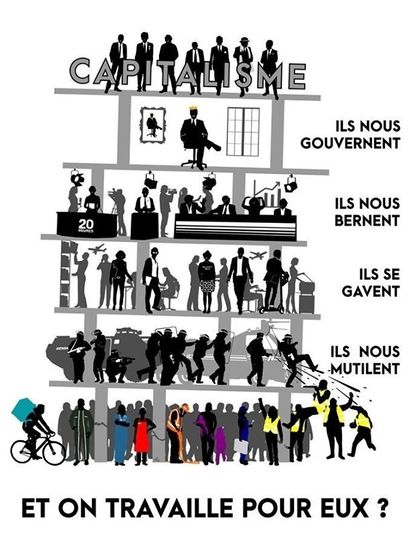
Analysis of the Impact of Technological Progress and the Challenges of Modern Capitalism
Technology has significantly transformed our lives, bringing undeniable improvements. There was a time when the absence of a telephone made communication with distant or troubled relatives extremely difficult. The evolution of communication means, particularly the mobile phone, has greatly facilitated our daily interactions. Nowadays, technology allows us to connect instantly with the entire world, as evidenced by our ability to interact live on platforms like YouTube.
Planned Obsolescence: A Symptom of Modern Capitalism
However, this technological evolution comes with its own set of problems. The example of product durability, such as shoes that no longer last as long as before, illustrates the concept of planned obsolescence. This practice, indicative of a capitalism focused on mass production and rapid consumption, demonstrates a shift in manufacturing quality and ethics.
The Transformation of Capitalism: Drifts and Consequences
The Consequences of Capitalism
Capitalism, initially perceived as a favorable economic model, now reveals its flaws. Mass production, the exploitation of workers with minimized wages, and the focus on maximum profit illustrate a drift from its original principles. This form of modern slavery, where individuals work long hours just to barely meet their needs, highlights a deep systemic problem.
Does humanity still have a place with the advent of technology?
While technology has been beneficial in many ways, it has also led to a reduction in intellectual and physical effort. The use of virtual assistants like Siri, which instantly answer our questions, shows how technology can atrophy our cognitive abilities. Similarly, easy access to information and online financial transactions has reduced our human interactions and physical engagement in the world.
Technological Capitalism: A Double-Edged Sword
Modern capitalism, in symbiosis with technology, has led to negative consequences, such as the predominance of an economy focused on unbridled consumerism and the accumulation of capital at the expense of collective well-being. Companies like Lockheed Martin Corporation exemplify how the arms industry thrives on capitalist logic, indifferent to the social or ethical repercussions of its activities.
However, in contrast to this trend, some cultures, like that of Africa, have maintained values of solidarity and community, deviating from the dominant capitalist model. This difference in approach raises questions about the cultural impact of capitalism and how it redefines social relationships and values.
The Dilemma of Artificial Intelligence and the Future of Humanity
Moreover, figures like Elon Musk and Stephen Hawking have warned about the potential dangers of artificial intelligence, highlighting the need for profound reflection on the direction our society is taking. Technology, while providing undeniable benefits, can also lead us to problematic dependence and a loss of control over our future.
A Call for Reason and Moderation
Ultimately, this article invites us to introspect about our growing dependence on technology and capitalism. It emphasizes the importance of finding a balance between the benefits of modernity and the preservation of our essential human values. The call for mental sobriety and simplicity in life resonates as an urgent reminder to redefine our priorities and reassess the impact of our societal choices on our collective and individual well-being.
Découvrez le passionnant monde des articles présentés par Zack Mwekassa, une figure emblématique de la boxe et du kickboxing ! Plongez-vous dans un univers captivant où chaque texte est une fenêtre ouverte sur des sujets variés, allant de la géopolitique africaine aux questions de vie et de société.